
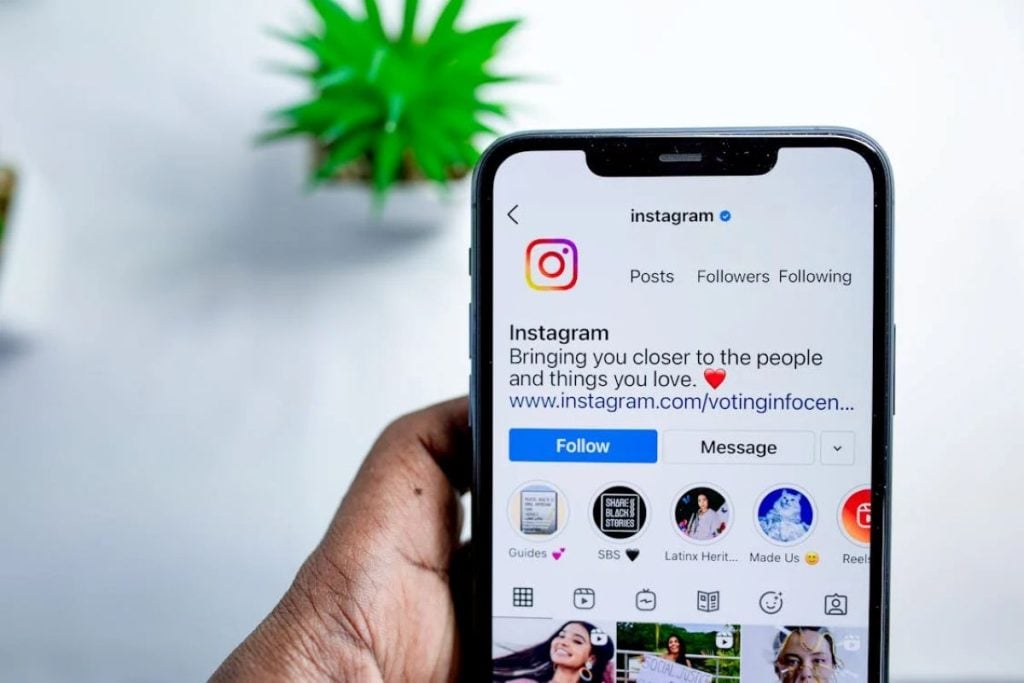
I didn’t quit Instagram in a dramatic, “delete the app and never look back” kind of way. It was more of a slow burnout. You know the feeling—the one where you post something you genuinely like, wait a few hours, check back… and barely anyone sees it. Not because it’s bad, but because the algorithm just wasn’t in the mood that day.
Over time, Instagram started to feel less like a place to connect and more like a performance. I was constantly wondering: Should I post this as a Reel? Is this too long? Did I use the right audio? Why did this do well yesterday but not today? It felt like homework. Unpaid homework.
The pressure to post constantly didn’t help either. Miss a few days and it’s like you’re punished with lower reach. Post too often and you risk annoying people. There’s this constant low-grade anxiety that you’re doing it “wrong,” even when you’re just trying to share something meaningful.
So I started asking myself a simple question: What do I actually want from social media right now?
Not more followers. Not viral numbers. But things like:
- Real connection
- Easy discovery without jumping through hoops
- A little creativity without stress
- And honestly… some calm
That’s what pushed me to experiment. For one full month, I intentionally spent time on five Instagram alternatives to see how they actually felt—not just how they’re marketed. And one of them immediately stood out.
1. TikTok
Best for: Viral reach & entertainment
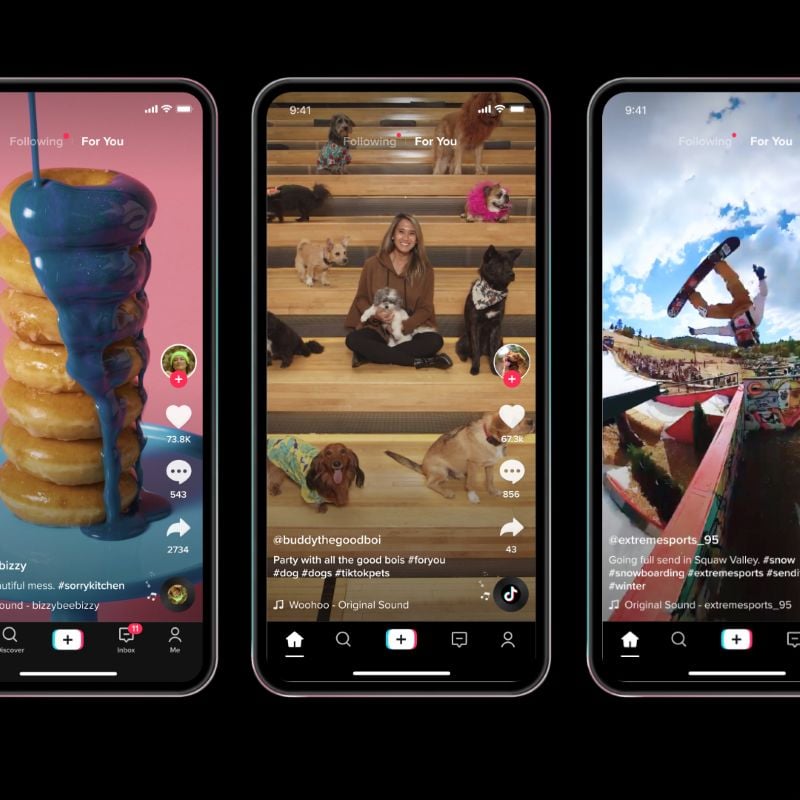
Let’s get this out of the way: TikTok is nothing like Instagram—and that’s exactly why it works.
What surprised me most when using TikTok daily was how little my follower count mattered. On Instagram, it often feels like you’re talking into a room full of people who’ve already decided whether they want to listen. On TikTok, it feels more like the app says, “Let’s test this and see who might enjoy it.” That alone was refreshing.
The content that performed best wasn’t polished or perfect. In fact, the videos that did the worst were the ones that felt overly produced. TikTok seems to love raw, straightforward, slightly messy content—the kind where you just talk, show something quickly, or share a simple idea without overthinking it. No fancy edits required.
The algorithm also feels more curious than judgmental. Instead of punishing you for inconsistency, it quietly experiments. One video might flop, the next might reach thousands of people you’ve never met. Compared to Instagram’s “blink and you miss it” reach, TikTok gives your content room to breathe—even days later.
That said, it’s not all sunshine. The fast pace can be exhausting. There’s always another video, another trend, another idea. And while it’s incredible for reach, it’s harder to build that warm, cozy, familiar community feeling. People discover you quickly—but they also move on quickly.
Read Also: The 8 Best TikTok Alternatives, According to a Full-Time Content Creator
Pros
- Massive organic reach, even for small or brand-new accounts
- Discovery feels fairer and less tied to follower count
Cons
- Easy to burn out if you try to keep up
- Community feels wide, not deep
2. Pinterest
Best for: Evergreen traffic & inspiration
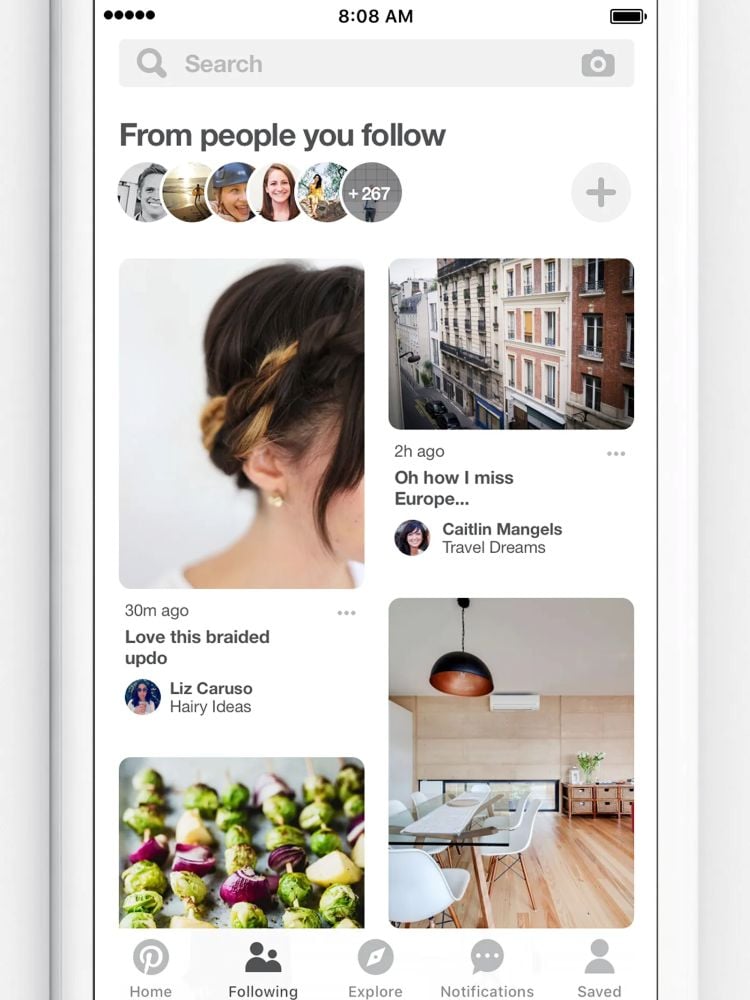
Using Pinterest again felt less like “social media” and more like rediscovering a really smart search engine. Instead of wondering Who will see this today?, I found myself thinking, Who might be looking for this six months from now? That shift alone took a huge amount of pressure off.
Pinterest doesn’t reward urgency—it rewards usefulness. People aren’t scrolling just to kill time; they’re actively searching for ideas, answers, inspiration, and solutions. That makes posting feel purposeful instead of performative. You’re not interrupting someone’s day—you’re helping them with something they already want.
What really stood out was the content lifespan. On Instagram, a post feels old after 24 hours. On Pinterest? A single pin can quietly send traffic weeks—or even months—later. I had pins I barely thought about suddenly start getting saves and clicks long after I posted them. No constant resharing. No daily hustle.
And honestly, Pinterest surprised me the most because it felt calm. There’s no pressure to show your face, no demand to be “on,” and no anxiety about engagement numbers. You post, optimize a little, and then you let it work in the background. It’s almost… peaceful.
That said, if you love instant feedback, Pinterest can feel slow. Likes, comments, and messages don’t roll in right away. But if you’re playing the long game—or just tired of chasing trends—it’s a breath of fresh air.
Pros
- Long-term, evergreen traffic
- Very low-pressure posting environment
Cons
- Slower feedback and gratification
- Less real-time conversation
3. Snapchat
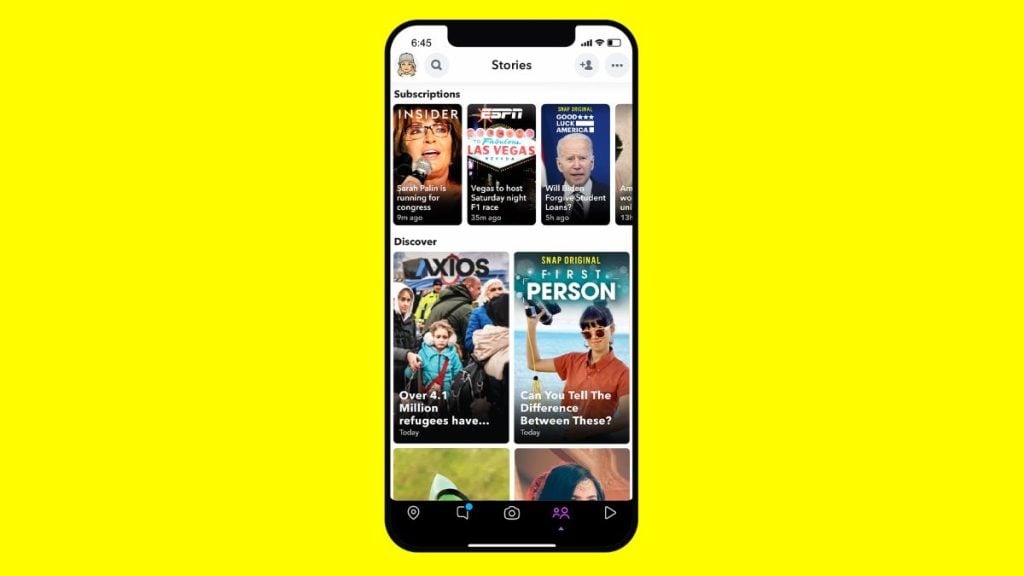
Best for: Close friends & casual sharing
Snapchat feels like the opposite of Instagram—and I mean that in the best way possible.
The first thing I noticed was how private it feels. You’re not broadcasting to the world. You’re sharing moments with people who already know you. There’s no polished feed to maintain, no pressure to impress, and no silent judgment from strangers scrolling by.
Posting on Snapchat felt casual, almost silly at times. A quick photo. A short video. Something you’d never post on Instagram because it’s “not good enough.” And that’s exactly the point—it doesn’t need to be good enough. It just needs to be real.
What makes Snapchat great for connection is also what makes it weak for growth. There’s very little discoverability. You’re not going to suddenly reach new people or build a big audience there. But the people who are there actually see what you post—and often respond.
Another underrated perk? There’s no obsession with likes. You’re not checking numbers. You’re not comparing yourself to others. You either get a reply or you don’t, and that’s it. It feels human.
The downside, of course, is that content disappears quickly. If you’re someone who likes building something lasting—or wants posts to keep working for you—Snapchat can feel a bit fleeting. It’s more about moments than momentum.
Read Also: I tried 4 Snapchat alternatives within a month. Here’s how they compare.
Pros
- Intimate, authentic, low-pressure sharing
- No fixation on likes or performance
Cons
- Weak discoverability
- Content doesn’t last
4. BeReal

Best for: Authentic, no-pressure posting
BeReal feels like a social media reset button.
The first time I used it, I laughed—because the app doesn’t ask when you want to post. It tells you. Once a day, at a random time, everyone gets the same notification: “Time to BeReal.” You have two minutes to snap a photo with both your front and back cameras. No staging. No retakes. No filters to hide behind.
What does posting once a day really feel like? Honestly… freeing. There’s no second-guessing. No, “Should I wait until later?” No planning outfits or lighting. You post what’s happening right then—whether that’s working, cooking, lounging on the couch, or doing absolutely nothing interesting.
And that’s the point.
After a few days, I noticed something unexpected: I stopped thinking about social media so much. Because BeReal only lets you post once a day, it quietly removes the urge to constantly document your life. There’s no chasing engagement, no refreshing stats, no pressure to be entertaining.
It genuinely changed my relationship with social media. Instead of asking, “How will this perform?” I found myself thinking, “This is just my life today—and that’s enough.”
That said, BeReal isn’t for creators, brands, or anyone who loves experimenting with visuals. Creativity is intentionally limited. You can’t curate. You can’t grow an audience. And you definitely can’t “build” anything in the traditional sense.
But if your goal is to feel more human online—and less like a content machine—BeReal absolutely nails it.
Pros
- Zero performance anxiety
- Refreshingly honest and grounded
Cons
- Very limited creative freedom
- Not designed for creators or growth
5. VSCO
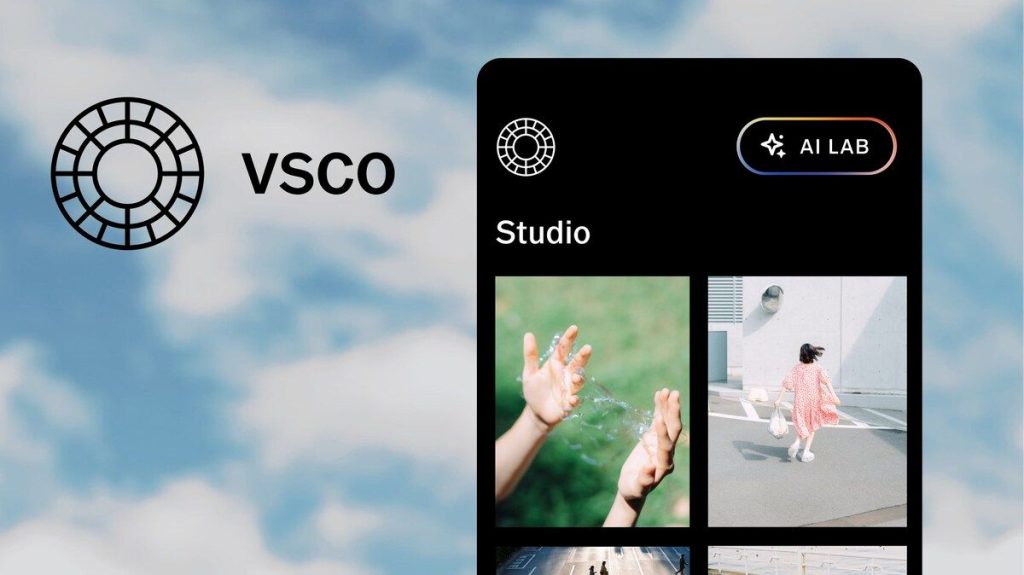
Best for: Creative expression without metrics
VSCO feels like social media with the volume turned way down.
The moment you open it, you notice what’s missing: likes, follower counts, and public performance metrics. And removing those changes everything. Suddenly, you’re not posting to impress—you’re posting because you want to.
When I shared photos on VSCO, I stopped asking, “Will this do well?” and started asking, “Do I like this?” That shift is subtle but powerful. It makes creativity feel personal again, not transactional.
VSCO is especially appealing if you enjoy photography, aesthetics, and visual storytelling. The editing tools are excellent, and the overall vibe is calm, minimal, and artistic. Scrolling through the feed feels more like flipping through a visual journal than doom-scrolling.
But here’s the honest truth: VSCO isn’t really social in the traditional sense. You won’t get much interaction. Comments are rare. Conversations are minimal. And growing an audience is slow—sometimes nonexistent.
So who is this platform actually for?
People who want a creative outlet without pressure. People who are tired of algorithms deciding what matters. And people who are okay creating quietly, without applause.
If you’re looking for validation or growth, VSCO might feel lonely. But if you’re looking for peace, focus, and creative freedom—it’s one of the calmest places online.
Pros
- Peaceful, artistic environment
- No algorithm stress or comparison
Cons
- Very little social interaction
- Difficult to build an audience
Read Also: 5 Amazing CapCut Alternatives That Don’t Steal Your Content
Side-by-Side Comparison (Quick Scan)
After a full month of juggling five different apps, one thing became very clear: they’re not competing for the same job. Each one shines in a very specific way, and once you see that, choosing the “right” platform becomes much easier.
Best for Reach: TikTok
If your goal is eyeballs—new people, fast discovery, and the chance to go viral—nothing else even comes close. TikTok doesn’t care how many followers you have. It cares whether your content keeps people watching. That makes it exciting… and a little exhausting.
Best for Long-Term Traffic: Pinterest
Pinterest plays the long game. You won’t wake up viral, but you might wake up months later still getting traffic from something you posted once. It’s less about attention and more about usefulness—and that’s a huge mental relief.
Best for Private Sharing: Snapchat
Snapchat isn’t trying to impress anyone. It’s for people you already know, quick moments, inside jokes, and zero polish. It’s social media that feels… social again.
Best for Authenticity: BeReal
BeReal strips everything down to the basics. One post. One moment. No filters. No pretending. It’s not exciting, but it is grounding—and sometimes that’s exactly what you need.
Best for Creatives: VSCO
VSCO is where you go when you want to create without being judged. No likes. No numbers. Just you and your work. It’s quiet, peaceful, and unapologetically niche.
Once I stopped asking “Which is better?” and started asking “Better for what?”, everything clicked.
Final Verdict: Which One Replaced Instagram for Me?
Here’s the honest answer: nothing fully replaced Instagram—but one platform changed how I use social media entirely.
The one I kept using
I stuck with Pinterest. Not because it’s flashy, but because it respects my time. I can post without pressure, walk away, and let the content do its thing. No chasing trends. No daily posting guilt. Just steady, quiet results.
The ones I walked away from
- I stepped back from TikTok because while the reach is incredible, the pace is intense. It’s fun, but it demands energy—and I didn’t always want to give that much.
- Snapchat was lovely, but only made sense for a small circle, not regular posting.
- BeReal was refreshing, but too limited to keep long-term.
- VSCO felt peaceful… but also lonely if you’re looking for interaction.
Who should actually quit Instagram—and who shouldn’t
You should seriously consider stepping back from Instagram if:
- You feel constant pressure to perform
- You’re exhausted by trends and algorithms
- You want your content to last longer than 24 hours
But you shouldn’t quit Instagram if:
- You enjoy real-time interaction
- You like visual storytelling with conversation
- You’re okay treating it as just one tool—not the whole toolbox
The biggest lesson from this experiment wasn’t “Instagram is bad.”
It was this: Instagram shouldn’t be your only home online.
Once you give yourself permission to explore other platforms, social media stops feeling like a chore—and starts feeling useful again.
Read Also: