
I didn’t wake up one day hating TikTok. I actually enjoy it. But after a while, I started feeling… tired. Tired of the noise, the nonstop trends, and the feeling that if I didn’t post at the exact right moment, my video might as well not exist.
So instead of complaining about it, I decided to do something different. I spent an entire month intentionally using TikTok alternatives—one after another—to see what else was out there. No assumptions, no hype. Just real, everyday use.
What I was looking for
I wasn’t chasing virality or trying to “blow up.” What I wanted was simple: short, engaging videos that were actually fun to watch, a way to discover new creators without feeling overwhelmed, and a community that felt human—not frantic. Bonus points if the app didn’t leave me feeling mentally fried after 10 minutes of scrolling. Less chaos, more connection.
Who this comparison is for
This is for creators who feel stuck and want a fresh start. It’s for casual scrollers who just want something entertaining without the pressure. It’s for privacy-minded users who are side-eyeing how much data they’re giving away.
And yes, it’s for brands and businesses quietly wondering if TikTok is still the best place to spend their time. If you’ve ever thought, “There has to be something better than this,” you’re in the right place.
How I tested each platform
I didn’t just open these apps once and call it a day. I used each platform daily—scrolling, posting, engaging, and paying attention to how it felt. I tested content discovery, tried the editing tools, interacted with other users, and tracked how quickly (or slowly) engagement happened. In short: I treated each one like a real user, not a reviewer checking boxes.
How I Compared These TikTok Alternatives
Ease of getting started
First impressions matter. I paid close attention to how long it took to set up an account, understand the interface, and actually post a video. If I had to Google basic things or felt confused right away, that counted against it. The best platforms made me feel comfortable within minutes.
Video quality & editing tools
Let’s be honest—no one wants to jump through hoops just to trim a clip or add text. I tested built-in editing tools, filters, music options, and how polished the final videos looked. Some apps surprised me in a good way. Others felt like a step back in time.
Algorithm & discoverability
This was a big one. I paid attention to how easy it was to find new creators and whether my own content reached people who didn’t already follow me. Did the app feel fair? Did it reward consistency? Or did it feel like shouting into the void?
Community vibe
You can tell a lot about a platform by its comment section. I looked at how people interacted—were they supportive, sarcastic, spammy, or genuinely engaged? Some apps felt welcoming and calm. Others felt rushed or oddly impersonal.
Monetization or creator perks
I also explored whether creators were actually rewarded for their time. This included tipping, creator funds, subscriptions, or brand-friendly features. Even if monetization wasn’t huge, transparency mattered.
Overall enjoyment after real daily use
At the end of the day, I asked myself one simple question: Would I open this app again tomorrow? If it felt like a chore, that was a red flag. If it felt enjoyable—even refreshing—that platform earned serious points.
1. Instagram Reels
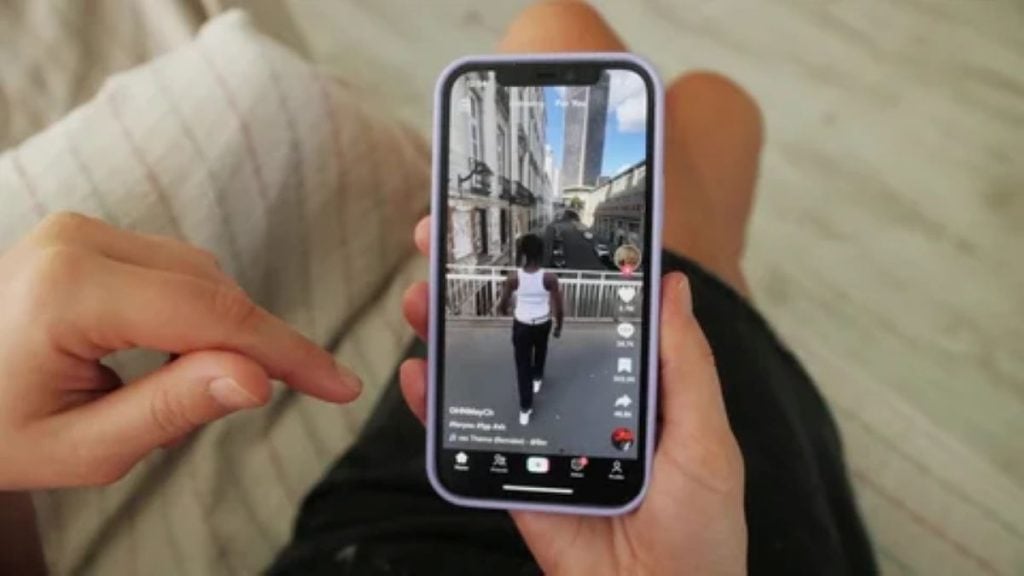
Let’s be honest—Instagram Reels was the easiest place to start. I was already on Instagram every day, I already had followers there, and it felt almost irresponsible not to try it first. If TikTok ever disappeared tomorrow, Reels is where most people would land by default. So I went in expecting it to feel familiar… but I was curious whether it could actually replace TikTok as a daily habit.
What I Liked
The biggest plus? Everything felt comfortable right away. I didn’t have to relearn how to post, edit, or engage. I could repurpose videos quickly, cross-post content without much effort, and tap into trends that were already circulating. When a Reel did well, it really did well—sometimes better than expected. There’s also something reassuring about knowing your content can reach both followers and non-followers in the same app.
What Frustrated Me
The algorithm felt moody. One day a Reel would get great traction, and the next—silence. It often felt like Reels rewarded trends more than originality, which can be exhausting if you just want to show up as yourself. I also noticed that if you weren’t already active on Instagram, getting momentum could feel slow and unpredictable. It worked… but it didn’t always feel fair.
Read Also: The 5 Best Instagram Alternatives, According to a Full-Time Content Creator
2. YouTube Shorts
YouTube has been very clear about one thing: Shorts aren’t going anywhere. With YouTube pushing short-form content so aggressively, I wanted to see if Shorts could be more than just a side feature. Could it actually be a place where short videos live longer than a few hours? That idea alone made it worth testing.
What I Liked
The audience size is impossible to ignore. Even brand-new Shorts can get picked up weeks later, which felt refreshing after the “post it now or lose it forever” pressure of TikTok. I also loved that Shorts live inside YouTube—meaning one good short video could introduce people to your long-form content without extra effort. It felt calmer, slower, and more intentional.
What Frustrated Me
Engagement felt… distant. Views were there, but comments and conversations were hit-or-miss. The feedback loop was slower too—you don’t always know right away if something worked. Editing tools felt basic compared to TikTok, and the Shorts feed didn’t encourage the same sense of community. It was effective, but not always exciting.
3. Snapchat Spotlight
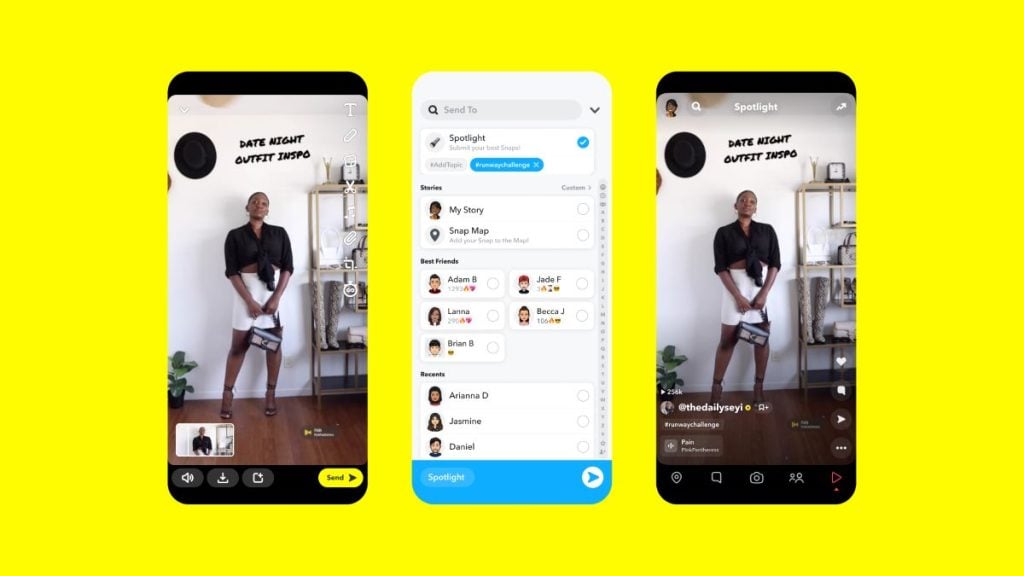
Snapchat has always had a strong Gen-Z energy, and I kept hearing people say, “If you want younger eyeballs, you have to be on Spotlight.” That alone made me curious. I also liked the idea of testing a platform where short videos felt a bit more raw and less overproduced. Spotlight promised quick discovery without needing a huge following, and I wanted to see if that actually held up in real use—not just in theory.
What I Liked
Posting on Spotlight felt refreshingly simple. No overthinking captions, no pressure to polish everything to perfection. I could upload a clip, hit post, and move on with my day. When a video caught traction, it really caught traction—views came fast and sometimes unexpectedly. There’s something exciting about that “you never know what’ll happen” feeling. It felt playful, lightweight, and low-pressure, which made experimenting actually fun again.
Read Also: I tried 4 Snapchat alternatives within a month. Here’s how they compare.
4. Clapper
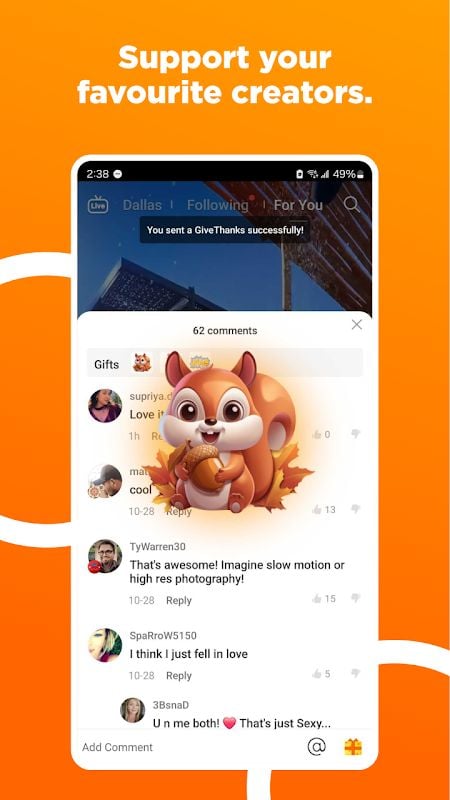
Clapper kept coming up in conversations as “TikTok, but calmer” and “TikTok for adults,” and that immediately got my attention. After spending so much time on fast, noisy platforms, I wanted to see what a slower, more intentional short-video space felt like. I wasn’t looking for overnight virality—I wanted genuine interaction and a sense that real people were actually listening.
What I Liked
The community was the biggest surprise—in the best way. Comments felt thoughtful, supportive, and human, not rushed or sarcastic. People actually responded with full sentences. The pace was slower, which made it easier to show up as yourself without chasing trends or trying to be “on” all the time. It felt less like performing and more like talking to people who genuinely wanted to hear what you had to say.
5. Triller
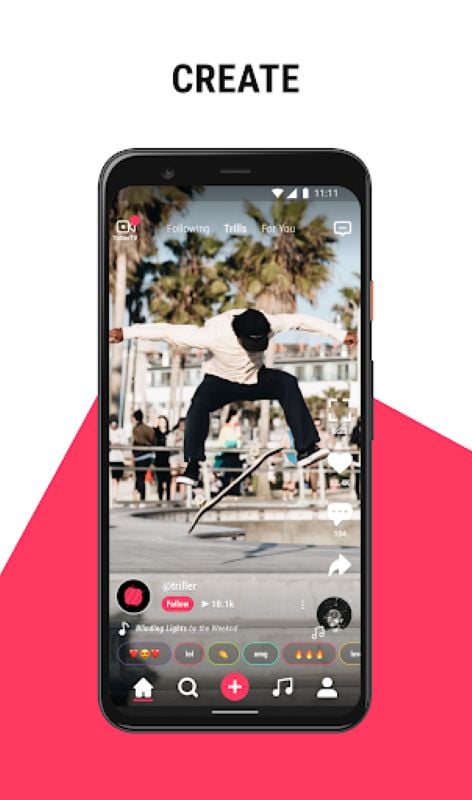
Triller kept popping up anytime music and short-form video were mentioned in the same sentence. I’d heard it described as “TikTok, but built for music”, and that alone made me curious. I wanted to see what it felt like to create content in an app where music wasn’t just an add-on—it was the main event. As someone who enjoys rhythm, timing, and videos that feel a little more cinematic, Triller felt like it might offer something different from the usual scroll-and-post routine.
What I Liked
The auto-editing was easily the standout feature. I could record a few clips, pick a song, and Triller handled the timing and cuts for me—no endless trimming or fine-tuning required. That alone made creating feel faster and more playful.
The music library also felt front and center, not buried in menus, which made the whole process feel intentional. When everything worked smoothly, it felt like I was making a mini music video without needing advanced editing skills.
6. Likee
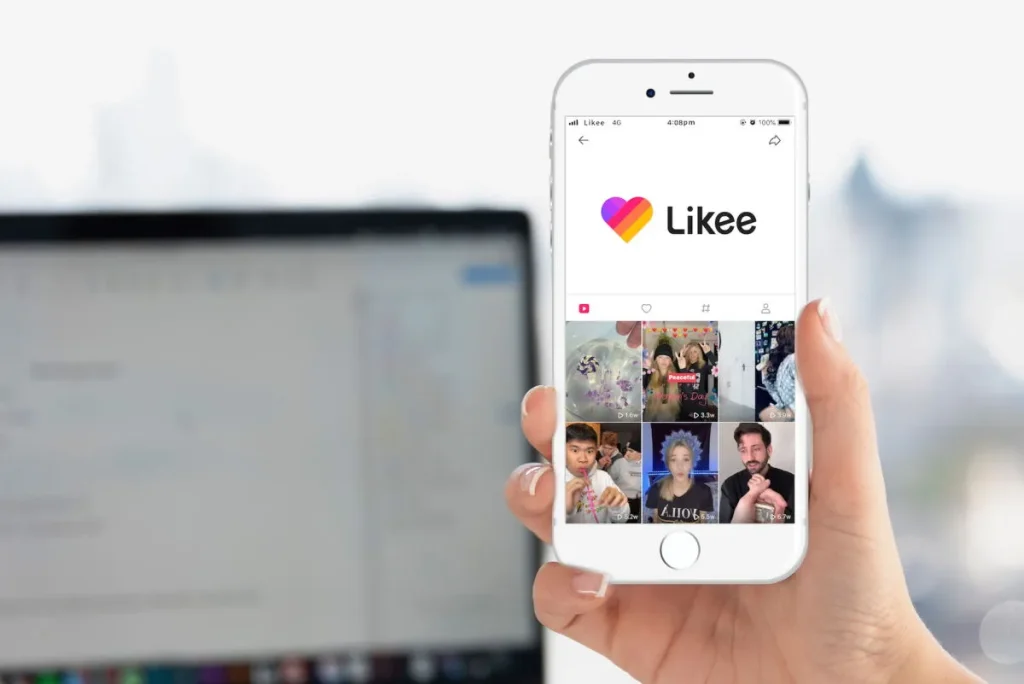
Likee caught my attention because of how popular it is outside the U.S. I kept seeing creators mention massive engagement from international audiences, and that made me want to see what I was missing.
I also noticed that Likee leaned heavily into fun, expressive content—lots of color, movement, and creativity. I figured if I was testing TikTok alternatives properly, I needed to experience one that felt completely different in style and energy.
What I Liked
If there’s one word for Likee, it’s fun. The effects are bold, playful, and unapologetically over-the-top—in a good way. There’s a lot of creative freedom here, especially if you enjoy visual flair and high energy.
I also noticed that certain videos gained traction much faster than expected, especially when they matched the platform’s style. For the right kind of content, the engagement felt lively and enthusiastic, which made posting feel exciting instead of stressful.
7. Lemon8
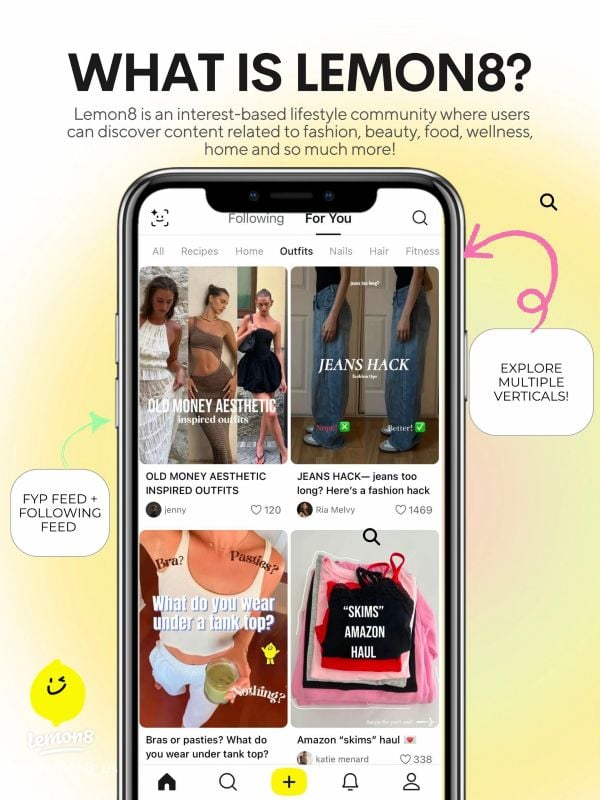
Lemon8 kept being described as TikTok’s quieter cousin, and honestly… that sounded really appealing. After bouncing between fast, loud feeds all day, I wanted to see what a calmer platform felt like. I was curious whether an app could blend short-form content with a more thoughtful, scroll-at-your-own-pace experience. If TikTok is espresso, I was hoping Lemon8 would be more like a slow cup of tea.
What I Liked
The first thing I noticed was how clean everything looked. The layout instantly reminded me of Pinterest—bright, organized, and easy on the eyes. Instead of feeling pressured to keep scrolling, I found myself actually reading captions and pausing on posts. Content felt more intentional and less rushed. It was the kind of app I could open, browse for a few minutes, and close feeling inspired instead of overstimulated.
8. Fanbase
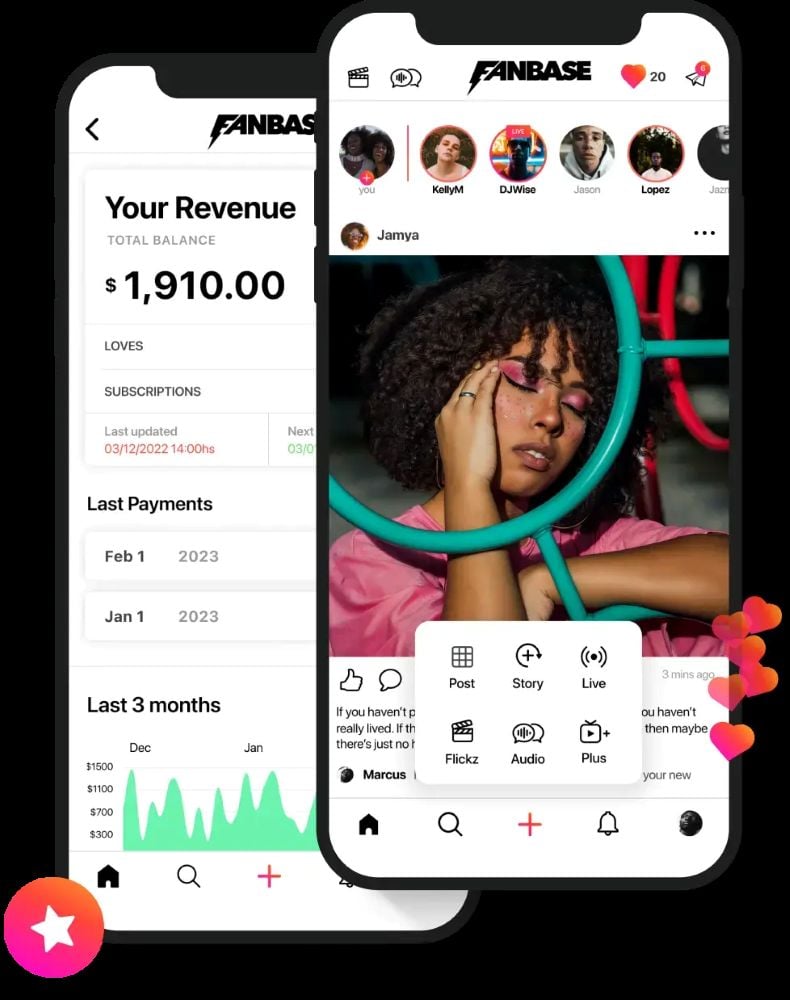
Fanbase caught my attention because it puts something front and center that most platforms dance around: creator support. Instead of chasing ads or hoping the algorithm smiles on you, Fanbase is upfront about helping creators earn directly from their audience. That felt refreshing. I wanted to see what it was like to use a platform that wasn’t pretending monetization was a bonus—it was the point.
What I Liked
The mission really shows in the experience. Fanbase feels intentionally designed for creators who take their work seriously and want their audience to do the same. The pay-to-support model creates a different kind of relationship—smaller, yes, but more invested.
Interactions felt purposeful, and there was a sense that people were there because they wanted to support creators, not just mindlessly scroll. It felt more like a community than a feed.
Final Verdict: Which TikTok Alternative Is Worth Your Time?
The one that surprised me the most
Honestly? Clapper surprised me the most. I went in with low expectations, assuming it would feel empty or slow. Instead, it felt intentional. People actually listened. Comments weren’t rushed or sarcastic, and conversations didn’t feel like drive-by interactions. I didn’t expect to enjoy the slower pace as much as I did—but after weeks of nonstop scrolling elsewhere, it felt like a breath of fresh air.
The one I stopped using entirely
This might ruffle a few feathers, but Likee just didn’t stick for me. I can see why people love it—especially internationally—but the constant visual noise and effects-heavy style wore me out quickly. I found myself opening it less and less, and eventually… not at all. That doesn’t make it bad. It just made it very clear that it wasn’t my place.
The one I’ll keep using long-term
For everyday consistency, Instagram Reels is the one I’ll keep coming back to. Not because it’s perfect—but because it fits into what I already do. The audience is there, posting is easy, and it works well alongside other content. It’s not always exciting, but it’s reliable. And sometimes, reliability wins.
Why TikTok still wins (for now)
As much as I tried to replace TikTok, nothing fully matched its discovery power. TikTok is still unmatched when it comes to showing your content to the right people quickly. It’s chaotic, yes. Overstimulating, sometimes. But it’s also incredibly effective. For now, TikTok still sits at the top—not because it’s the most pleasant, but because it’s the most powerful.
Who Should Try Which Platform
Casual scrollers
If you just want to relax and enjoy content without feeling overwhelmed, Lemon8 is a great choice. It’s calmer, slower, and doesn’t pressure you to keep scrolling forever. Perfect for intentional browsing.
New creators
If you’re just starting out and want a supportive environment, Clapper is worth trying. It’s forgiving, welcoming, and doesn’t feel like you’re competing with millions of creators right out of the gate.
Established creators
If you already have an audience—or want to monetize more directly—Fanbase makes sense. It’s not about mass reach. It’s about depth, loyalty, and people who genuinely want to support your work.
Privacy-focused users
If data concerns and platform transparency matter to you, stepping outside the usual big platforms is a smart move. Smaller apps like Clapper and Fanbase feel more human and less algorithm-obsessed.
Read Also: